15th September 2026
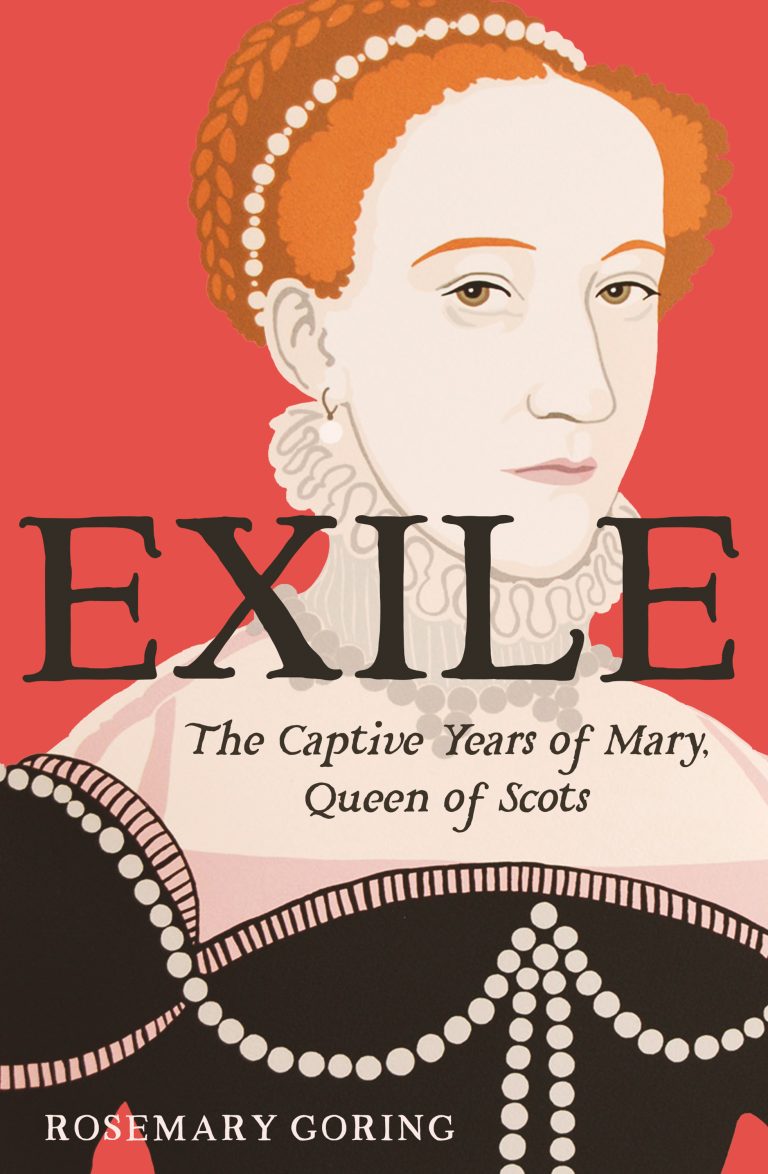
Journalist and writer Rosemary Goring has published two novels set in the 16th century as well as various works on Scottish history. She will talk about the challenges of writing historical fiction compared with non-fiction, focussing particularly on her latest book, Exile: The Captive Years of Mary, Queen of Scots. This story, covering the 19 years Mary spent in prison, is based entirely on documented fact. Nevertheless, it is as dramatic, powerful and shocking as anything a novelist could imagine – even though we all know how it ends!

Biography
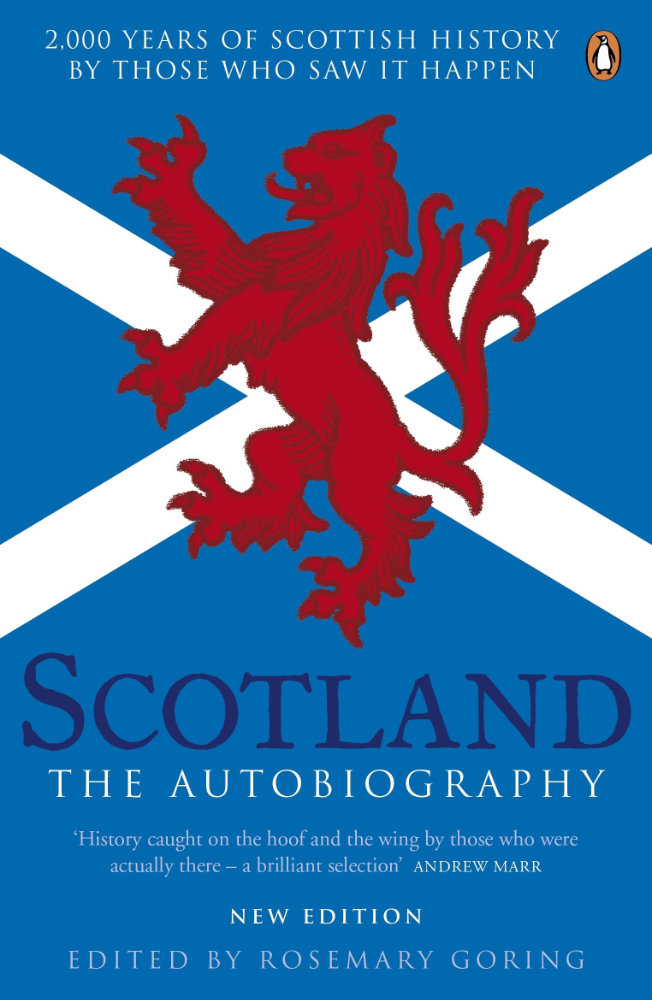
Historian and writer Rosemary Goring was born in Dunbar and studied at the University of St Andrews. She worked at W&R Chambers as a Reference Editor before becoming Literary Editor of Scotland on Sunday. She was also the Literary Editor for The Herald and Sunday Herald, and is the author of historical novels, After Flodden (2013) and Dacre’s War (2015). In Scotland: The Autobiography – 2000 Years of Scottish History by those who saw it happen (2007) Rosemary produced a vivid, wide-ranging and engrossing account of Scotland’s history, composed of eye-witness accounts by those who experienced it first-hand. Contributors range from Tacitus, Mary Queen of Scots and Oliver Cromwell to Adam Smith, David Livingstone and Billy Connolly. This is a living, accessible history told by crofters, criminals, servants, house-wives, poets, journalists, nurses, politicians, novelists, prisoners, comedians, sportsmen and many more.
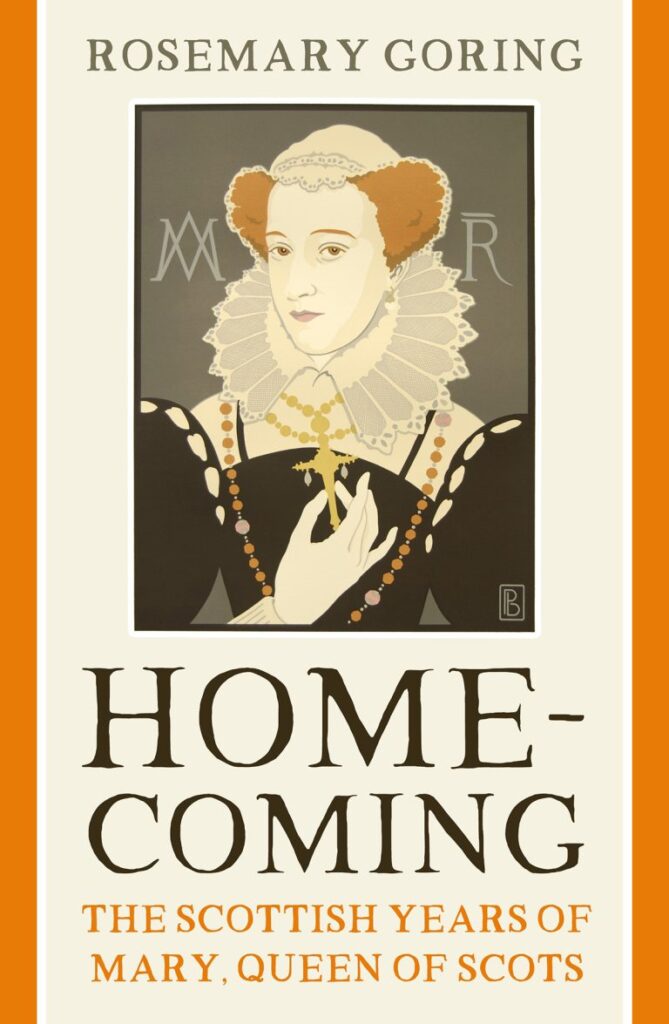
One of the most famous queens in history, Mary Stuart lived in her homeland for just twelve years. Brief though her time in Scotland was, her experience profoundly influenced who she was and what happened to her. In Homecoming: The Scottish Years of Mary, Queen of Scots (2023) Rosemary tells the story of Mary’s Scottish years through the often dramatic and atmospheric locations and settings where the events that shaped her life took place and also examines the part Scotland, and its tempestuous court and culture, played in her downfall. Whether or not Mary Stuart emerges blameless or guilty, in this evocative retelling she can be seen for who she really was. Rosemary’s latest book Exile: The Captive Years of Mary, Queen of Scots (2025) is the story of Mary’s tumultuous later years. Discover a thrilling true story of treachery, deceit, hope and despair. From the moment Mary, Queen of Scots set foot on English soil in 1568 until her execution at Fotheringhay Castle on 8 February 1587, she was the prisoner of her cousin, Elizabeth I. Drawing on the latest research, including a treasure trove of recently decoded letters, Exile sheds fascinating new light on her captivity and the charged political climate of the period. Reading like a 16th-century thriller, this account of treachery, deceit, hope and despair is a penetrating and enthralling psychological portrait of one of history’s endlessly fascinating queens.
September Talk – Rosemary Goring: Reality and Dreams: Is fiction easier to write than non-fiction?
Hilary Alcock, Chair of The Stewartry Literary Society introduced Rosemary Goring, first guest speaker of our 2026-2027 season, to a ‘full house’.
Rosemary opened her talk with an account of studying History at University, how her father despaired of her reading novels for a living as an Editor, and her early writings. Her manuscript for a children’s novel about the 1719 Jacobite Rebellion was critiqued: “This is great, put some sex in it.” The audience heard about the differences, and indeed the similarities, when writing Fiction or Non-Fiction. Both require an enormous amount of research, but in her opinion, Non-Fiction is easier because you know the story you want to tell, you know the facts. In her books Homecoming and Exile Rosemary wants people to be able to feel what it was like to be Mary, Queen of Scots. It is, for her, a question of authenticity – how realistic is the setting and the language? Part of the process is deciding who will tell the story. Who is to be the narrator, and can you trust them? She drew analogies between James IV of Scotland and Ruthven; Prime Minister Tony Blair and Campbell. Whose advice was taken, and whose was ignored?
Rosemary referenced works by other authors, including Hilary Mantel and Muriel Spark, and said that she is currently editing Barbara Kingsolver’s latest work. “When making abridgements for radio… you’re taking 130,000 words and reducing them to 20,000 whilst finding and maintaining the dramatic curve. What do you leave out?”
The audience were treated to descriptions of the information sources for Exile: the places where Mary stayed, the people with whom she interacted, and how Elizabeth navigated the politics of a captive Mary. Rosemary concluded by explaining that she could not write a novel about Mary. She knows too much about her, and would have to change the ending!
After sustained applause, questions were invited. There followed a vote of thanks given by Vice-Chair, Karen Thewlis. Copies of Exile were available for purchase afterwards, which Rosemary kindly signed.